Week 50: TOP 10 Transport Events – Strikes, New Arctic Routes, and Energy Shifts
From December 8–15, 2025, large strikes in ports and aviation plus breakthroughs in Arctic shipping routes and Russian LNG deliveries reshaped global supply


From December 8–15, 2025, large strikes in ports and aviation plus breakthroughs in Arctic shipping routes and Russian LNG deliveries reshaped global supply
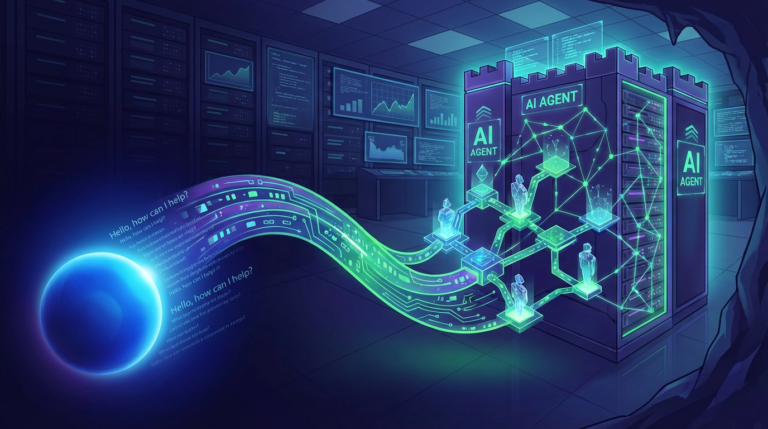
OpenAI, Google, and Anthropic intensify the AI model race. AAIF alliance, billion-dollar deals, and the agent boom are reshaping the market.

On Saturday, Delhi authorities tightened air pollution measures twice, reaching the highest, Stage IV restrictions after AQI exceeded 448

China and South Korea are locked in a fierce race for next-gen solar dominance. Both nations are investing billions in tandem perovskite-silicon solar cells, breaking new efficiency records. The stakes: the global energy market and climate security.

In November 2025, startup funding in India fell to $969 million. Public listings by firms like Lenskart, Groww, and PhysicsWallah drew investor attention, signaling a shift in trends. Fintech and AI remained active, while venture debt gained traction.

Taiwan produces 70% of the world’s sustainable performance fabrics. The TEPP initiative and RECODE 2050 show in Taipei drew global brands, highlighting Taiwan’s role in the modern textile supply chain. The island is shaping the future of the industry.

A three-day exhibition, “Stories from Beneath the Heels,” is underway in Hyderabad, celebrating the richness of traditional Indian footwear. Artisans, scholars, and designers gather at the FDDI campus to show how local styles—like Kolhapuri and Mojari—inspire even global brands such as Prada.

Japan is preparing criminal penalties for implanting genetically edited embryos. The new law, set to take effect in 2026, allows for up to 10 years in prison or heavy fines. The ban also covers embryos made from stem cells. Scientific research will remain possible under strict government oversight.

Google, Amazon, and China are moving AI data centers into orbit. Satellites aim to ease Earth’s load and accelerate AI development.

At the World Internet of Things Convention 2025 in Beijing, UN and digital sector leaders warned that rapid IoT growth demands global ethical standards. Without them, the benefits of new technology may reach only a select few. Experts stress the need for international cooperation.